FUE Hair Restoration

Medically reviewed by
Dr. Raja
Hair Transplant Surgeon

Understanding Afro Hair Transplants
Why Technique and Experience Matter
Hair transplantation for afro-textured hair requires a highly specialized approach. While the overall concept of a hair transplant may seem similar across different hair types, afro hair presents unique challenges that demand greater precision, planning, and medical expertise.
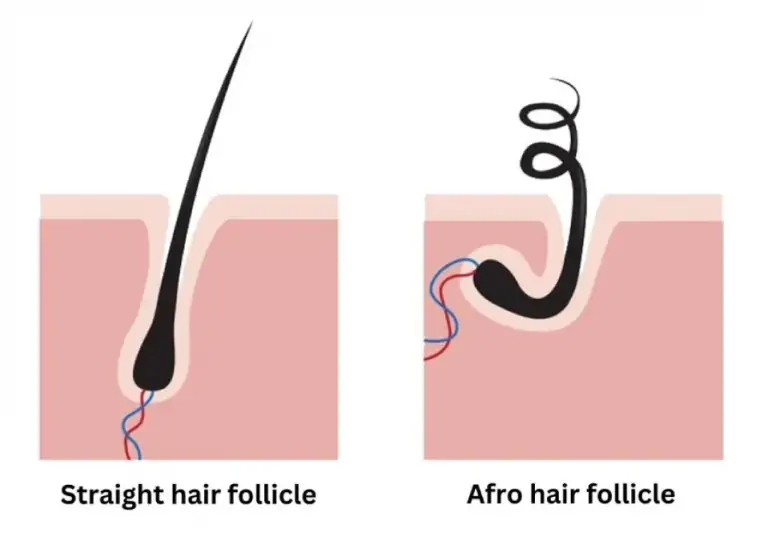
Unlike straight hair follicles, afro-textured follicles often curve beneath the scalp. This curved structure affects every stage of the procedure, from graft extraction to implantation and hairline design. Because of this, patients researching afro hair transplant procedures are often looking for clinics with genuine experience treating curly and coily hair types rather than clinics offering generic transplant solutions.
At Dr Raja Hair Restoration, afro hair restoration is approached as an individual procedure tailored to the patient’s curl pattern, donor area quality, scalp condition, and long-term hair goals.
Why Afro Hair Requires a Different Hair Transplant Technique
The key difference with afro hair transplantation lies beneath the surface of the scalp. Afro-textured follicles tend to grow in curved or spiral shapes, making extraction far more delicate than with straighter hair types.
If the angle of extraction is not followed correctly, grafts can become damaged during removal. This can impact graft survival rates, healing, and overall density after the procedure.
However, afro hair transplantation is not simply about avoiding graft damage. It is also about maintaining the natural appearance of the hair once it grows. Factors such as curl direction, hairline softness, density distribution, and natural hair flow all play an important role in achieving realistic results.
For this reason, afro hair transplant procedures require detailed planning and an experienced medical team that understands how afro-textured hair behaves both above and beneath the scalp.
Can Afro Hair Be Successfully Transplanted?
Yes, afro hair can absolutely be transplanted successfully when the procedure is planned and performed correctly.
There is still a common misconception that afro hair transplantation is difficult or impossible. In reality, the challenge is not whether the hair can be transplanted, but whether the clinic has the expertise needed to work with curved follicles and textured hair patterns.
Several important factors influence the success of an afro hair transplant, including:
Donor hair quality
Curl pattern and hair texture
Scalp health
Hair loss severity
Surgical technique
Experience of the doctor
When these factors are carefully evaluated, afro hair transplantation can produce natural-looking density and long-term growth.
Who Is Suitable for an Afro Hair Transplant?
A good candidate for afro hair restoration typically has healthy donor hair, realistic expectations, and a stable pattern of hair loss.
Patients with receding hairlines, thinning temples, patchy hair loss, or crown balding may all be suitable candidates depending on their donor capacity and scalp condition.
The consultation stage is particularly important because afro hair transplantation should never be treated as a standard package procedure. Every patient has different curl patterns, follicle structures, hair characteristics, and long-term goals.
At Dr Raja Hair Restoration, consultations focus on more than just the number of grafts required. The medical team carefully assesses donor strength, hair thickness, curl type, scalp condition, and overall facial balance before designing a treatment plan.
Understanding Type 4 Afro Hair
Afro-textured hair is commonly classified as Type 4 hair under the Andre Walker hair typing system. This category includes tightly curled and coily hair patterns that naturally create volume and texture.
Type 4 hair can vary significantly from person to person and is generally divided into three subcategories.
Type 4A Hair
4A hair contains defined, spring-like curls with visible S-shaped patterns. The curls are usually soft, dense, and naturally clumped together.
Type 4B Hair
4B hair has a more angular texture with zigzag or Z-shaped bends rather than defined spirals. The curl pattern is tighter and often appears fuller with less visible definition.
Type 4C Hair
4C hair is considered the tightest curl pattern within the Type 4 category. It typically experiences significant shrinkage and may appear shorter than its actual length. This hair type often has dense texture with minimal visible curl definition.
Understanding these differences helps doctors create more accurate treatment plans and natural-looking transplant results.
Why Surgeon Experience Is Critical in Afro Hair Cases
Doctor experience plays an even greater role in afro hair transplantation because of the technical difficulty involved in handling curved follicles.
An experienced surgeon understands how to follow the natural curve of the follicle during extraction while minimizing graft trauma and preserving graft quality.
Hairline design is another area where experience becomes extremely important. Afro hairlines should not appear too straight, harsh, or artificial. Instead, the hairline should complement the patient’s facial features, age, and natural growth pattern.
At Dr Raja Hair Restoration, Dr Raja and Dr Khan perform afro hair transplant procedures using a doctor-led approach focused on precision, natural density, and realistic hairline design.
The Afro Hair Transplant Process Explained
Although afro hair transplantation follows the same general stages as other transplant procedures, each phase requires additional care and accuracy.
Consultation and Donor Analysis
The process begins with a detailed consultation and donor assessment. During this stage, the medical team evaluates:
Donor density
Hair thickness
Curl characteristics
Scalp condition
Hair loss progression
Long-term treatment goals
This stage is essential because donor management is one of the most important aspects of a successful afro hair transplant.
Hairline Planning
Hairline design is carefully customized to suit the patient’s facial proportions and natural hair characteristics.
The goal is to create a soft, natural front line that blends seamlessly with the patient’s existing hair while avoiding an artificial appearance.
Graft Extraction
Extraction is one of the most technically demanding stages in afro hair transplantation.
Because afro follicles curve beneath the skin, the surgeon must carefully follow the angle and direction of each follicle during removal. Proper extraction technique helps preserve graft survival and reduces unnecessary trauma.
Implantation and Direction Control
Once grafts are extracted, the implantation process begins
The placement angle, depth, and direction of each graft are all carefully controlled to match the patient’s natural growth pattern. This stage plays a major role in ensuring the final result appears natural from every angle.
Recovery After an Afro Hair Transplant
Recovery is an important part of the overall treatment process.
Patients are usually given detailed aftercare instructions covering washing routines, healing expectations, medication, and scalp care.
In the weeks following the procedure, temporary shedding may occur as part of the normal hair growth cycle. New growth typically begins several months later, with density gradually improving over time.
Most patients start to notice visible changes during the middle stages of recovery, while the final appearance continues developing throughout the following months.
What Results Can Patients Expect?
One of the biggest concerns patients have is whether the transplanted hair will look natural once it grows.
When performed correctly, afro hair transplantation can achieve excellent results while preserving the natural curl pattern and visual density of the hair.
Because afro-textured hair naturally creates more visual coverage, patients can often achieve strong cosmetic density without needing excessive graft numbers.
The final result depends on several factors, including:
Donor quality
Surgical precision
Hairline design
Curl preservation
Healing and aftercare
Long-term planning
At Dr Raja Hair Restoration, the focus is always on achieving balanced, natural-looking outcomes rather than creating overly aggressive or artificial density.
Will the Natural Curl Pattern Remain?
In most properly planned procedures, the natural curl pattern is preserved.
This depends heavily on how the grafts are extracted and implanted. The surgeon must carefully maintain the follicle’s natural orientation and growth direction throughout the procedure.
Patients choosing afro hair transplantation usually value natural appearance just as much as density, which is why curl preservation is such an important part of the process.
Is Afro Hair Transplant More Expensive?
Afro hair transplantation can sometimes cost more than standard procedures due to the additional technical expertise and planning involved.
The curved nature of afro follicles makes extraction more complex and time-consuming, requiring advanced surgical precision.
However, patients should focus on value and expertise rather than choosing a clinic based solely on the lowest price. A well-performed procedure with proper planning can make a significant difference in the final outcome.
Personalized Treatment Instead of Generic Packages
No two afro hair transplant cases are identical.
Every patient has different donor characteristics, curl patterns, hair loss severity, and density goals. This is why personalized treatment planning is essential.
At Dr Raja Hair Restoration, every afro hair transplant procedure is individually designed around the patient’s unique hair structure and long-term appearance goals.
Rather than using a one-size-fits-all package, the clinic focuses on creating realistic, natural-looking results through doctor-led planning and precision-based treatment.
Final Thoughts
Afro hair transplantation is a highly specialized field within hair restoration. The unique structure of afro-textured hair requires careful planning, technical skill, and experience at every stage of the procedure.
From donor analysis and extraction to hairline design and implantation, each detail contributes to achieving natural-looking density and preserving the natural character of the hair.
For patients considering afro hair restoration, choosing an experienced clinic with a strong understanding of textured hair can make a major difference in both the short-term recovery and long-term result.


