Hair Transplants

Medically reviewed by Dr. Furqan Raja
Hair Transplant Surgeon

A note from Dr. Raja, hair transplant surgeon
“Beard restoration has evolved into a sophisticated and highly specialised procedure, yet the quality of the result is determined by surgical expertise and attention to detail. My focus is on meticulous graft handling, strategic placement, and customised treatment planning.
This helps create natural beard growth, balanced facial proportions, and a comfortable recovery process with predictable, long-lasting results.”
The Procedure
A FUE beard transplant is a specialised facial hair restoration procedure that uses individual hair follicles, typically harvested from the scalp, to increase beard density, fill patchy areas, enhance beard shape, or create a fuller, more defined appearance. The transplanted hairs are carefully placed to match the natural direction, angle, and growth pattern of existing facial hair, producing natural-looking, permanent results that continue to grow for a lifetime.
Prep
Surgery Preparation and Anaesthesia
Prior to your beard restoration procedure, detailed planning and preparation are carried out to ensure the highest level of accuracy and patient comfort. Local anaesthetic is carefully applied to both the donor and beard areas, allowing treatment to be performed with minimal discomfort. Throughout the procedure, meticulous attention is given to every stage of graft handling and placement to support healthy growth, maximise graft survival, and achieve natural-looking facial hair density.

Extraction
Beard Hair Follicle Extraction
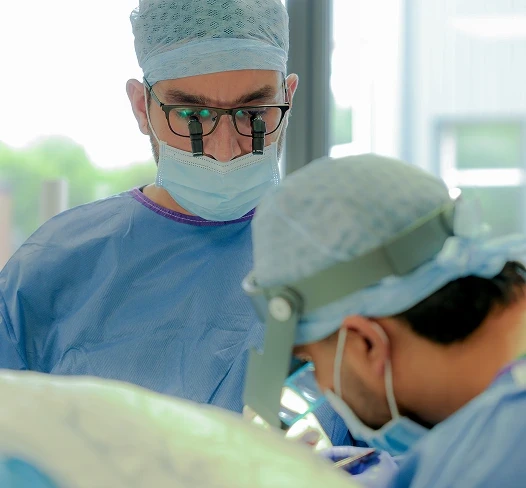
During beard restoration, carefully selected follicular units are harvested individually from the donor area using advanced extraction techniques. This precise method is designed to protect the integrity of each graft, reduce disruption to surrounding tissues, and create the ideal foundation for strong growth, excellent graft retention, and natural-looking beard development.
Implantation
Beard Design with Natural Results
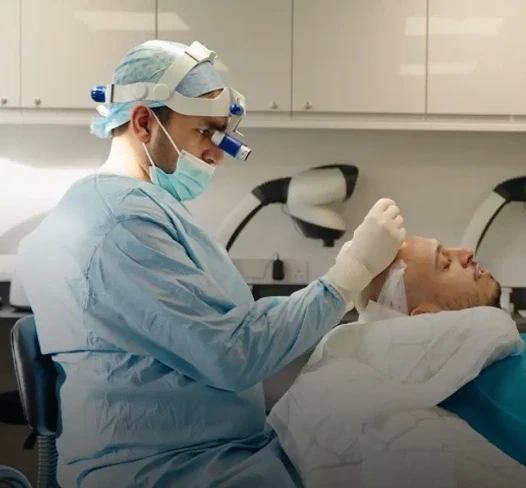
Each graft is strategically placed into the beard area to replicate the natural growth pattern, direction, and distribution of facial hair. Careful attention to placement and density ensures the newly transplanted hairs integrate seamlessly with existing beard growth, creating a fuller, well-defined appearance and natural-looking results that continue to improve as the beard matures.
Aftercare
Beard Hair Transplant Recovery
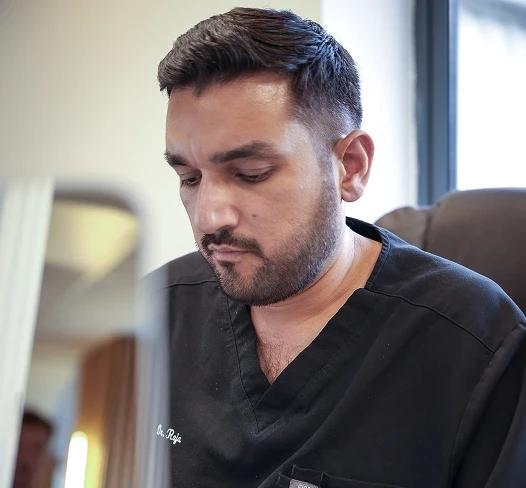
Following a beard transplant, the recovery process is generally comfortable and well-managed with ongoing guidance from your surgical team. Most patients can resume their usual routine within a short period, while detailed aftercare recommendations help promote optimal healing, support graft survival, and encourage healthy, natural beard growth as the transplanted follicles establish themselves.
Pricing
Beard Restoration Fees
Follicular Unit Extraction (FUE) is a minimally invasive hair transplant procedure where individual follicles are transplanted with precision to achieve natural-looking results, minimal scarring, and discreet recovery.
Suitable for all types of beard loss/reconstruction.
Grafts: determined upon consultation

Treatments
FUT Beard hair transplants
A beard hair transplant may be right for you if you struggle with patchy, thin, or uneven facial hair, or have scarring that affects beard growth.
Ideal candidates are in good overall health with sufficient donor hair, typically from the scalp. The best way to determine suitability is through a personalised consultation, where a specialist can assess your hair characteristics and discuss your goals.
Your Recovery, Carefully Supported
Beard Restoration Aftercare
After your beard procedure, you'll be supported with a personalised aftercare plan designed to promote healing and protect your long-term beard results. Clear guidance and prescribed treatments are provided to ensure recovery is comfortable, controlled, and closely monitored in the weeks that follow.
Preventative medication to support healing and reduce infection risk
Scalp relief treatment where needed during recovery
Hair growth support such as Minoxidil to encourage regrowth
Follow-up care to monitor healing and results
Title
What is better for my Beard hairloss?
The best approach for beard hair loss depends on the extent of patchiness and donor hair quality. FUE is generally the preferred technique, allowing individual follicles to be precisely placed to reconstruct sparse or patchy areas naturally. A specialist consultation is the most reliable way to determine the right plan for you.
FAQs
Beard transplant FAQs
Is A Beard Hair Transplant Right For Me?
How Much Does A Beard Transplant Cost?
How Long Does A Procedure Take and Recovery?
When Will I see Results And Are They Permenent?
Is A Beard Transplant Painful?