Hair Loss Medication
Finasteride
The most clinically established oral treatment for male androgenetic alopecia.
Finasteride is a prescription oral medication with over 25 years of clinical data supporting its efficacy in treating male pattern hair loss. By targeting the hormonal process responsible for follicular miniaturisation, it addresses the root cause of androgenetic alopecia rather than merely stimulating surface growth. It is the most widely prescribed pharmacological treatment for hair loss in men globally, and remains a cornerstone of non-surgical hair restoration protocols.
Quick Stats:
Standard Dose: 1mg daily
Onset of Effect: 3 – 6 months
Administration: Once daily, oral
Suitable for: Men only (standard use)
Expertly-Crafted Results
Treatment Images


Alistair's Result
 Performed By Dr. Raja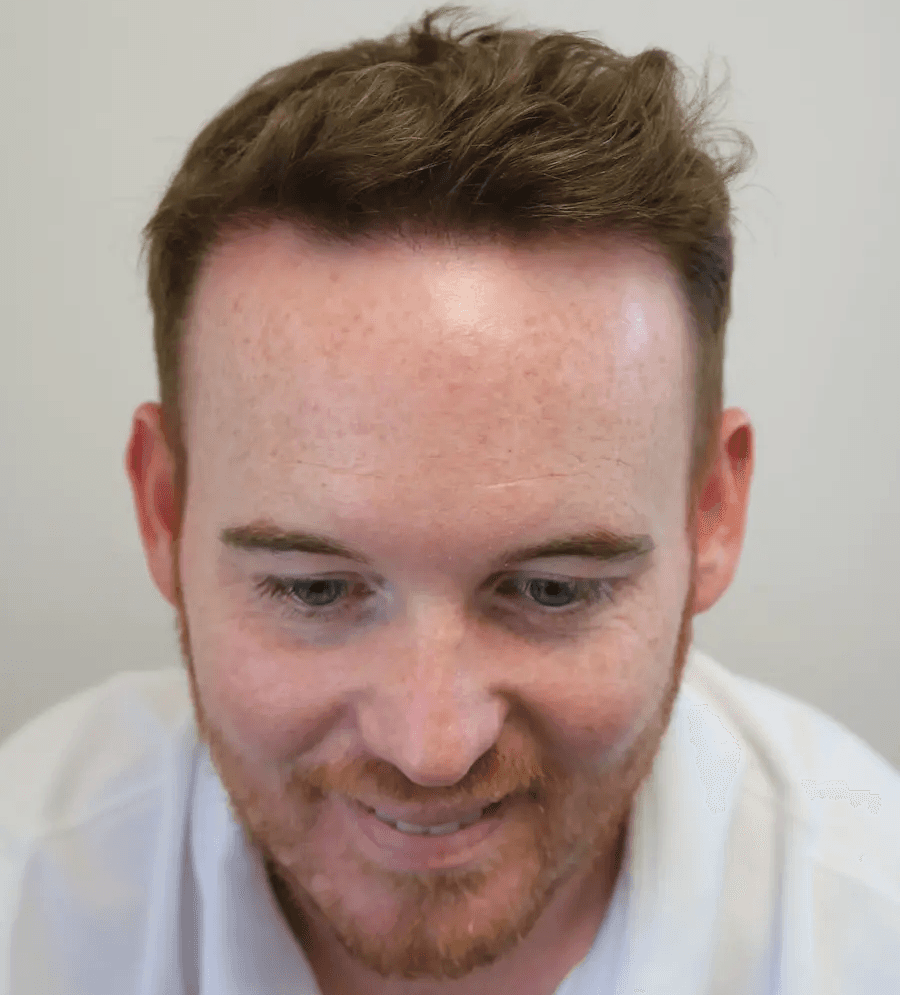
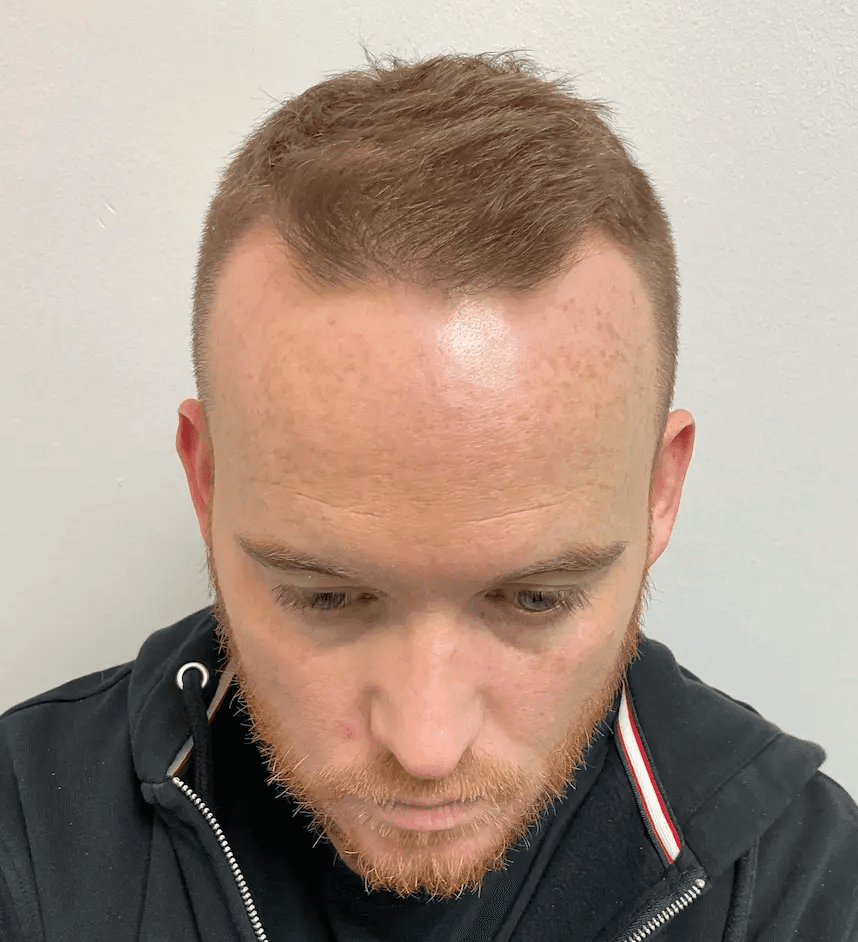
Ross's FUE Hair Transplant
 Performed By Dr. Khan

Sean's FUE Hair Transplant
 Performed By Dr. Raja
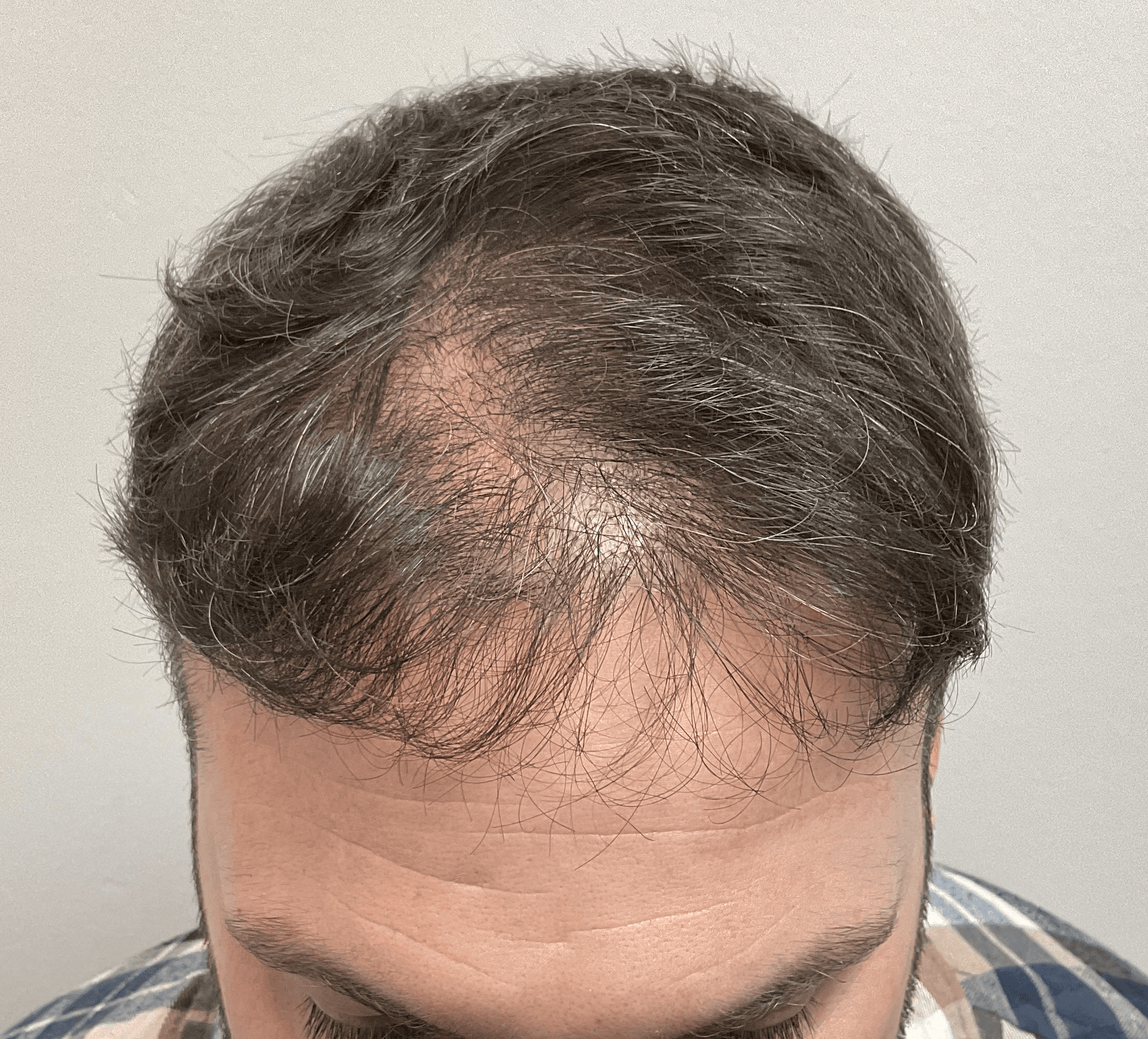
Anton's FUE Hair Transplant
 Performed By Dr. Raja
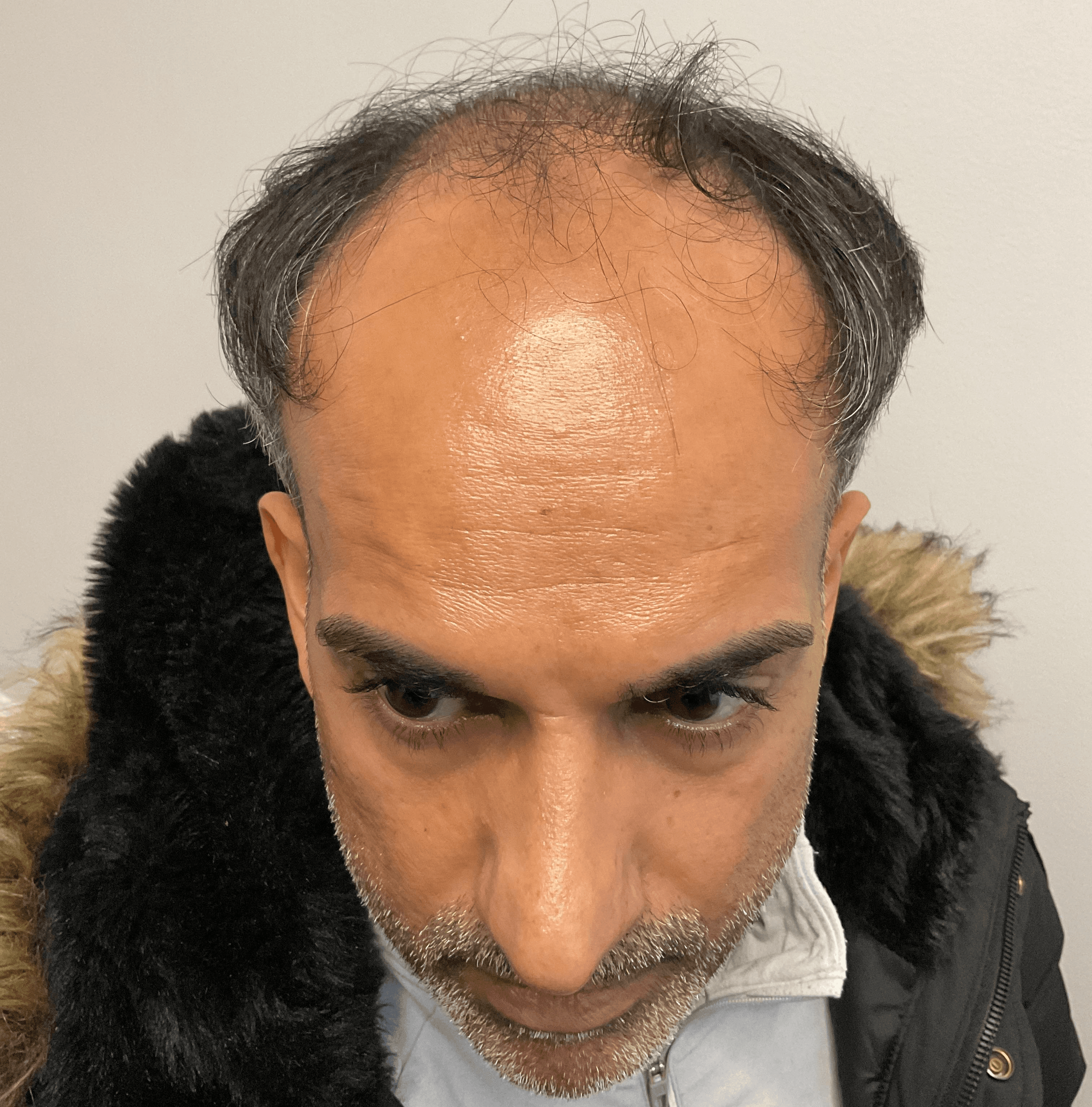
Aman's FUE Hair Transplant
Performed By Dr. Raja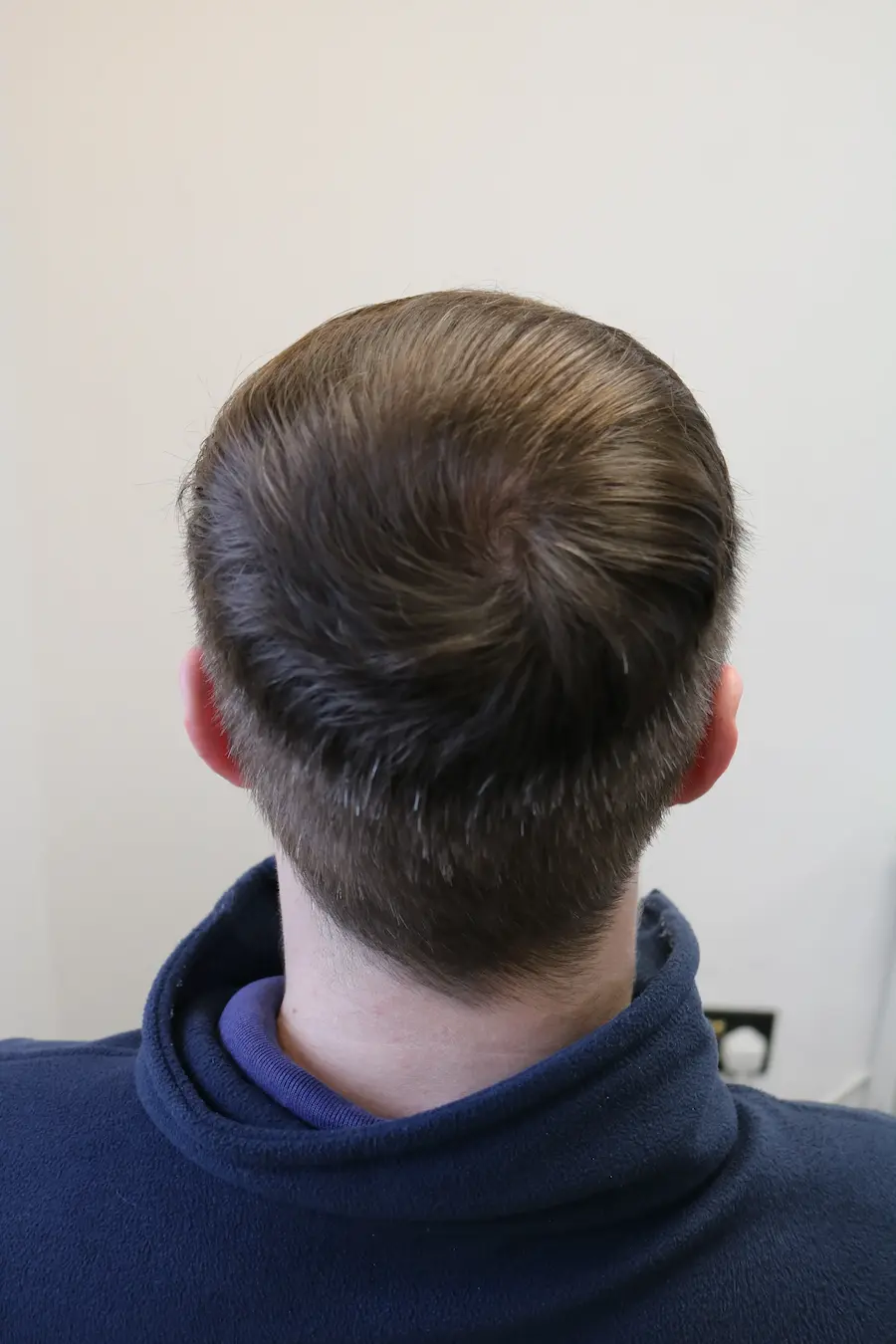
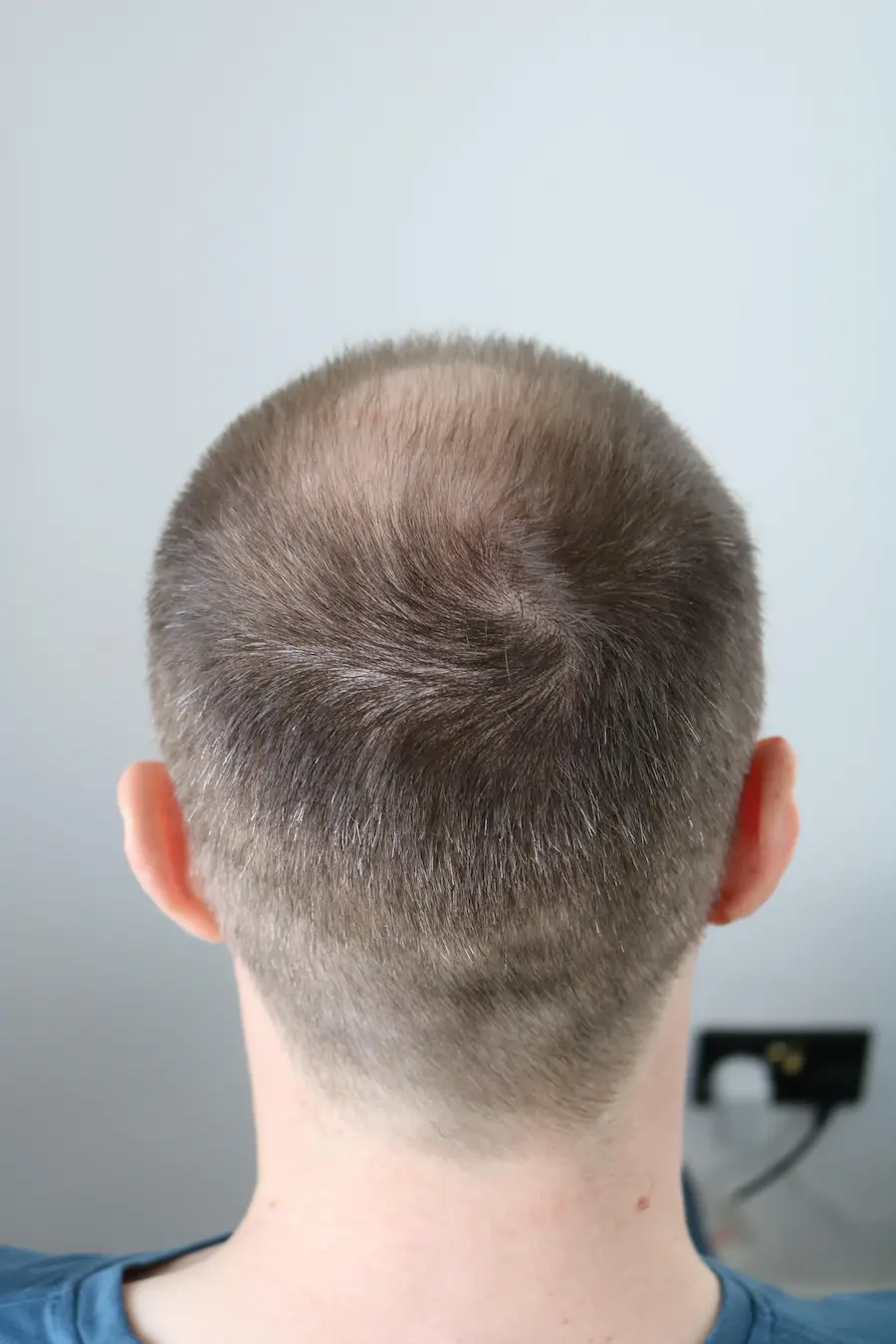
David's FUE Crown Transplant
Performed By Dr. Raja

David's FUE Hair Transplant
Performed By Dr. Raja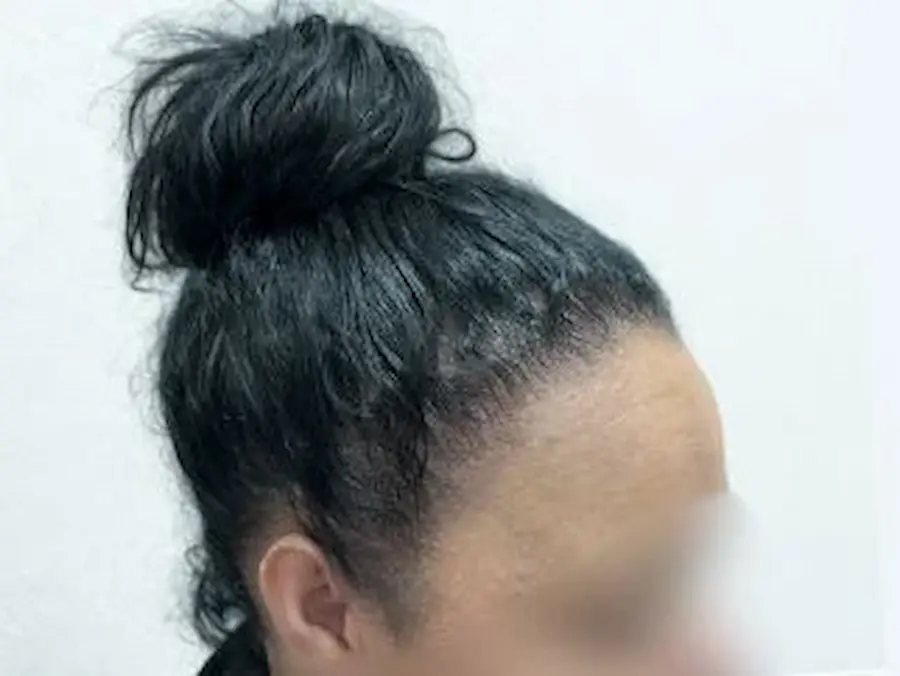

Female FUT Hair Transplant
Performed By Dr. Raja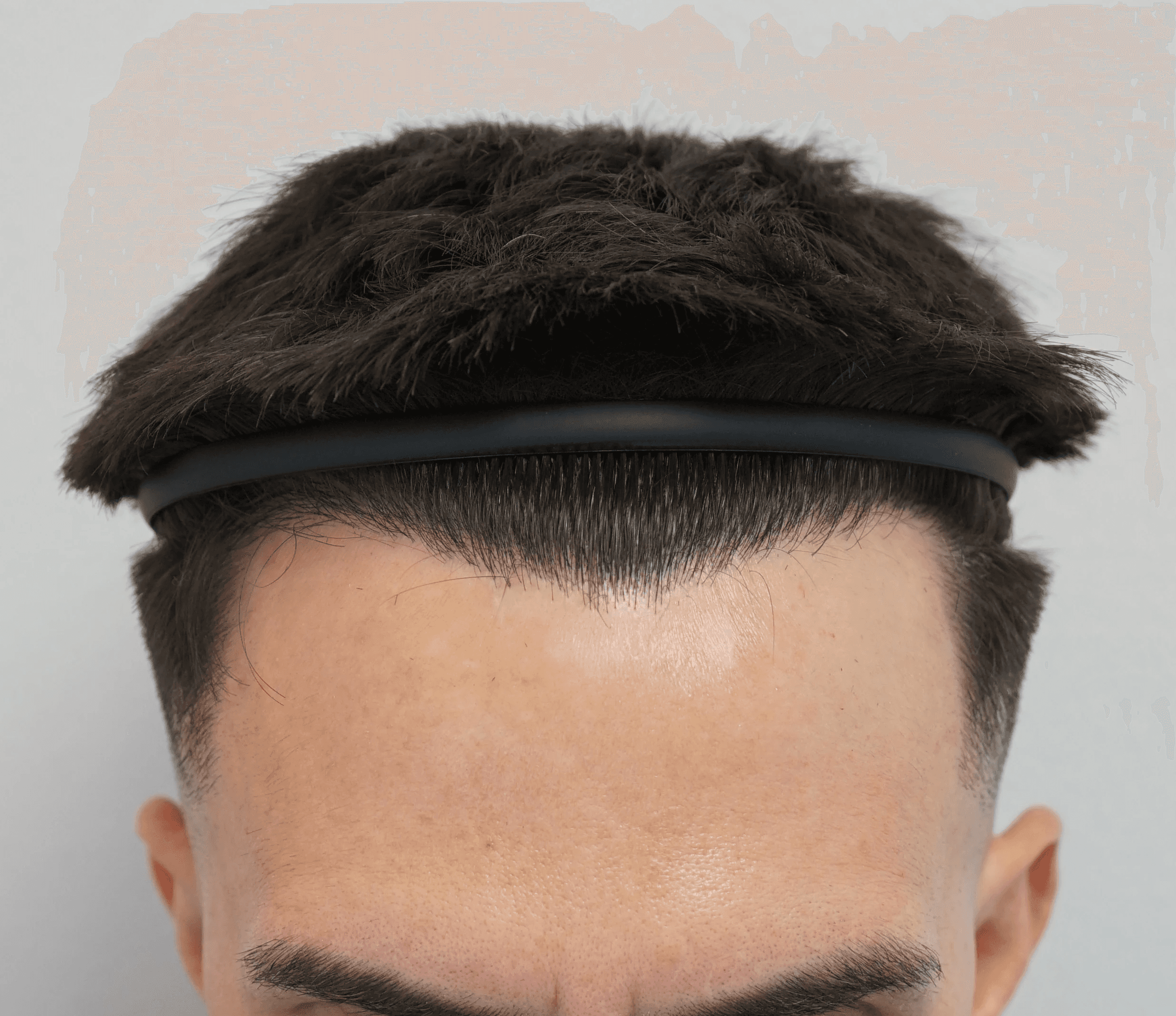

Thomas's FUE Hair Transplant
Performed By Dr. Raja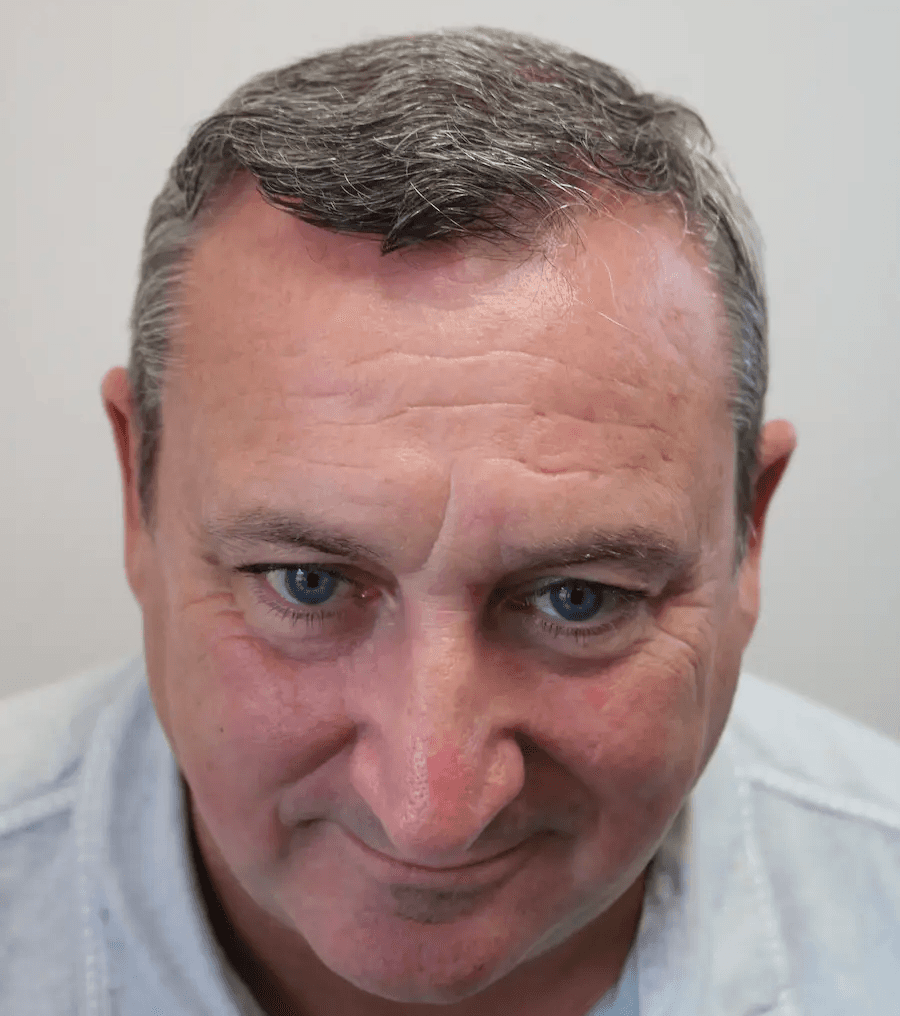
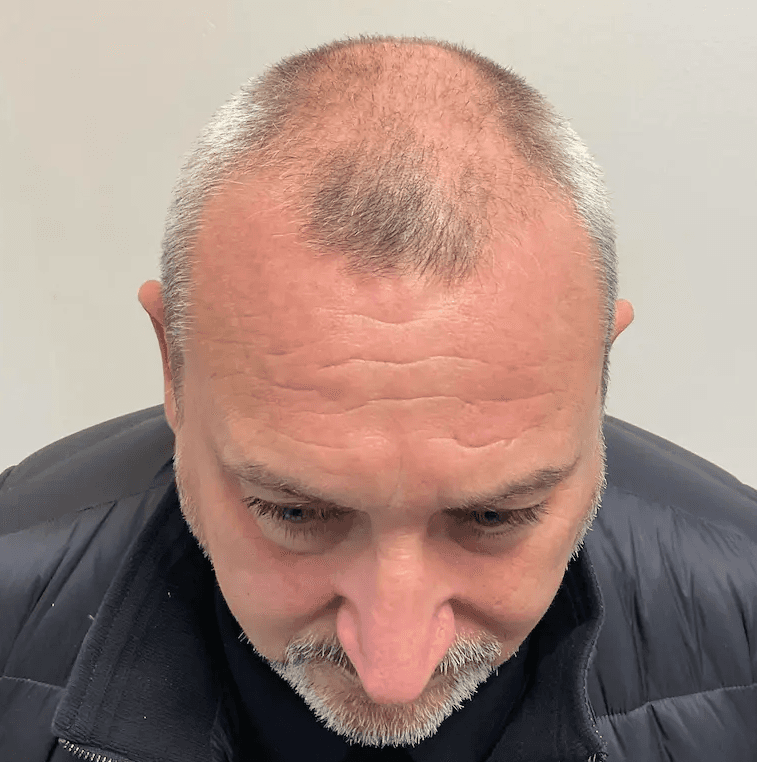
Peter's FUE Hair Transplant
Performed By Dr. RajaWhat Is Finasteride
Finasteride is a prescription medication widely regarded as one of the most effective medical treatments for male pattern hair loss. It works by targeting the underlying hormonal cause of androgenetic alopecia, helping to slow hair loss progression, preserve existing hair follicles, and support long-term hair restoration.
The medication reduces levels of dihydrotestosterone (DHT), the hormone primarily responsible for follicular miniaturisation in genetically susceptible individuals. Taken as a once-daily tablet, Finasteride is commonly prescribed to men experiencing receding hairlines, crown thinning, and diffuse hair loss, often forming the foundation of a comprehensive hair restoration strategy.
How It Works
Finasteride inhibits the enzyme 5-alpha reductase, which converts testosterone into DHT. By lowering scalp and serum DHT levels, the medication helps protect vulnerable hair follicles from progressive miniaturisation and prolongs the natural growth cycle of the hair.
As follicular health improves, existing hairs can become thicker, stronger, and more resilient. Patients frequently notice a reduction in daily hair shedding within several months, while improvements in hair density, scalp coverage, and overall hair quality typically develop gradually over six to twelve months of consistent treatment.
The Treatment Process
Treatment begins with a detailed consultation to confirm the diagnosis of androgenetic alopecia and determine whether Finasteride is an appropriate option. Dr Raja assesses the pattern and severity of hair loss, reviews medical history, and develops a personalised treatment plan tailored to the patient's hair restoration goals.
Finasteride is taken daily and may be prescribed alone or alongside complementary treatments such as Oral Minoxidil, PRP therapy, exosome therapy, or FUE hair transplant surgery. Progress is monitored through regular reviews, allowing treatment to be optimised and ensuring the best possible long-term hair preservation and regrowth outcomes.
Ideal Candidates For Finasteride
Finasteride delivers the greatest benefit when hair follicles remain active and capable of producing hair. It is particularly effective for men seeking to stabilise ongoing hair loss, maintain native hair, and reduce the risk of further follicular miniaturisation.
Men with androgenetic alopecia (Norwood Grades II–VI)
Patients experiencing crown thinning or a receding hairline
Individuals with progressive male pattern baldness
FUE hair transplant patients aiming to protect surrounding native hair
Men seeking a long-term medical hair loss treatment and prevention strategy
Clinical Note: Finasteride is generally prescribed for male pattern hair loss and may not be suitable for all patients. A comprehensive consultation is required to assess suitability, discuss potential risks, and develop an appropriate treatment plan.
Safety & Side Effects
Finasteride has been extensively studied and remains one of the most widely prescribed medications in modern hair restoration. For many patients, it plays a crucial role in slowing the progression of male pattern hair loss and supporting the longevity of hair transplant results.
Most patients tolerate treatment well, although potential side effects may include changes in libido, erectile function, mood alterations, or breast tenderness. These effects are uncommon and should always be discussed with a qualified medical professional before treatment begins. Regular follow-up appointments allow progress to be monitored and treatment decisions to be reviewed as part of a safe and effective hair restoration programme.