Non-Surgical Treatment
Duasteride
A more potent DHT inhibitor for patients who have not responded fully to finasteride.
Dutasteride is a dual 5-alpha reductase inhibitor that blocks both type I and type II isoforms of the enzyme responsible for converting testosterone to DHT. This broader inhibition results in a more substantial reduction in DHT levels compared to finasteride — approximately 90% versus 70% — making it a clinically meaningful option for patients with progressive hair loss or those who have not achieved satisfactory results with finasteride alone. It is prescribed off-label for androgenetic alopecia and requires careful clinical assessment prior to initiation.
Quick Stats:
Standard Dose: 0.5mg daily
Onset of Effect: 3 – 6 months
DHT Suppression: ~90%
Administration: Once daily, oral
Expertly-Crafted Results
Treatment Images


Alistair's Result
 Performed By Dr. Raja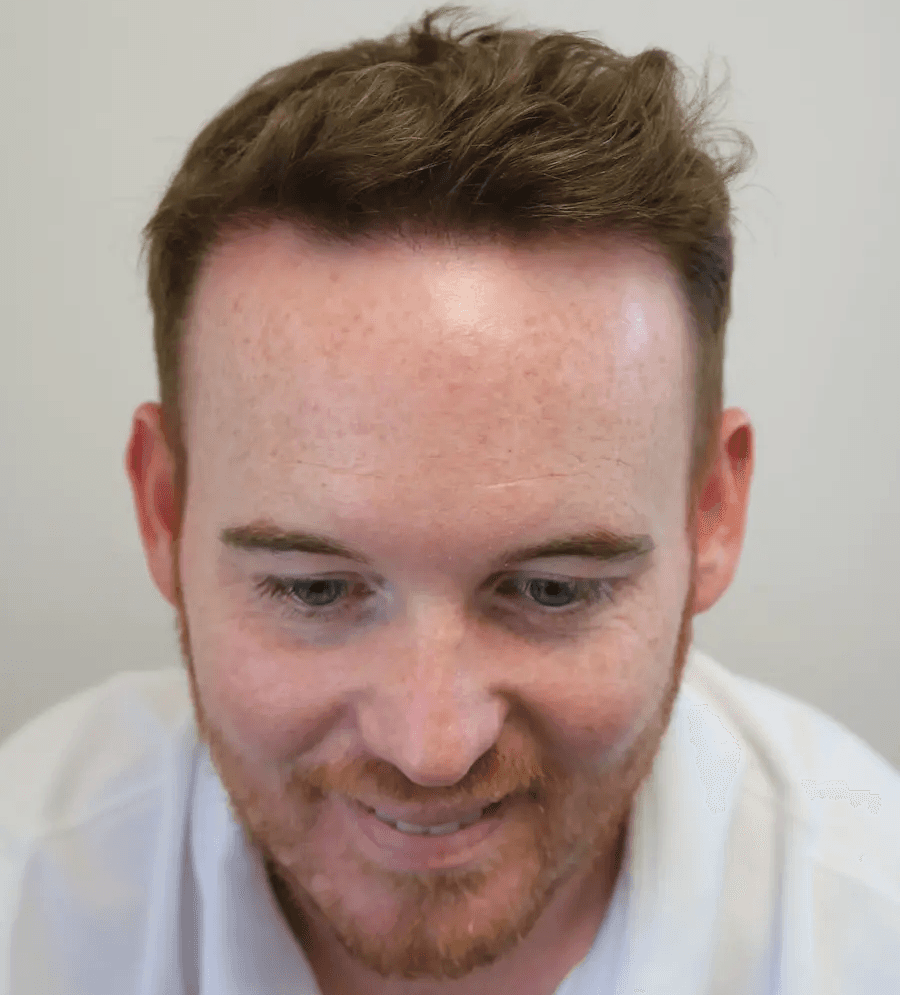
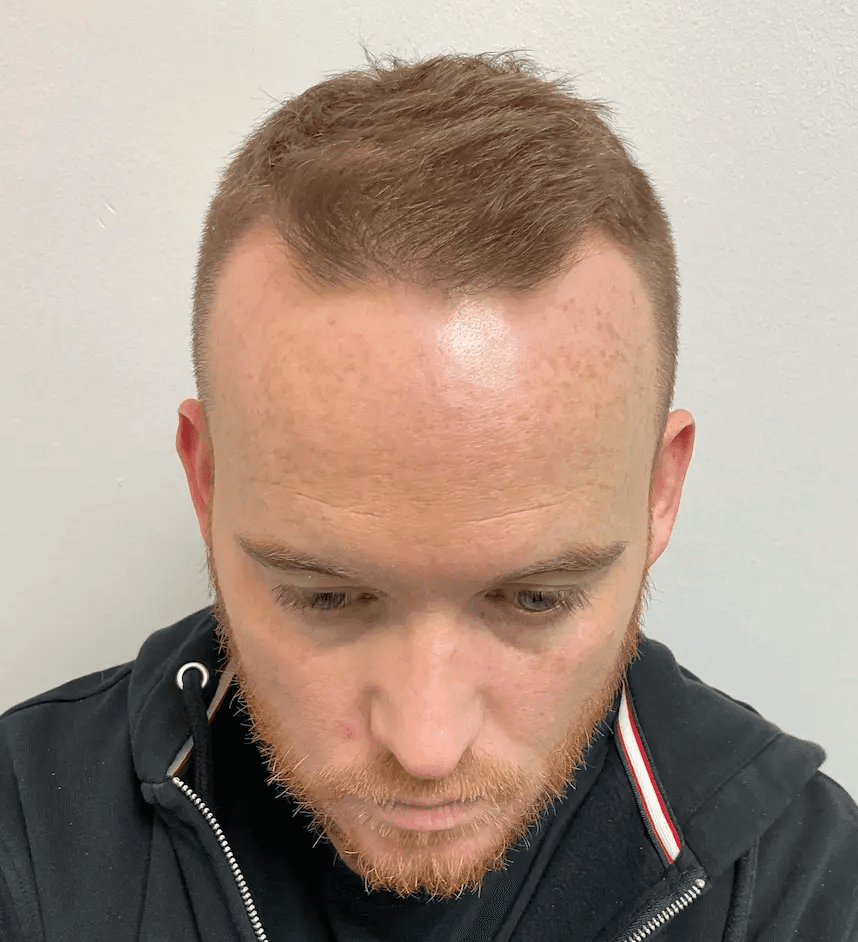
Ross's FUE Hair Transplant
 Performed By Dr. Khan

Sean's FUE Hair Transplant
 Performed By Dr. Raja
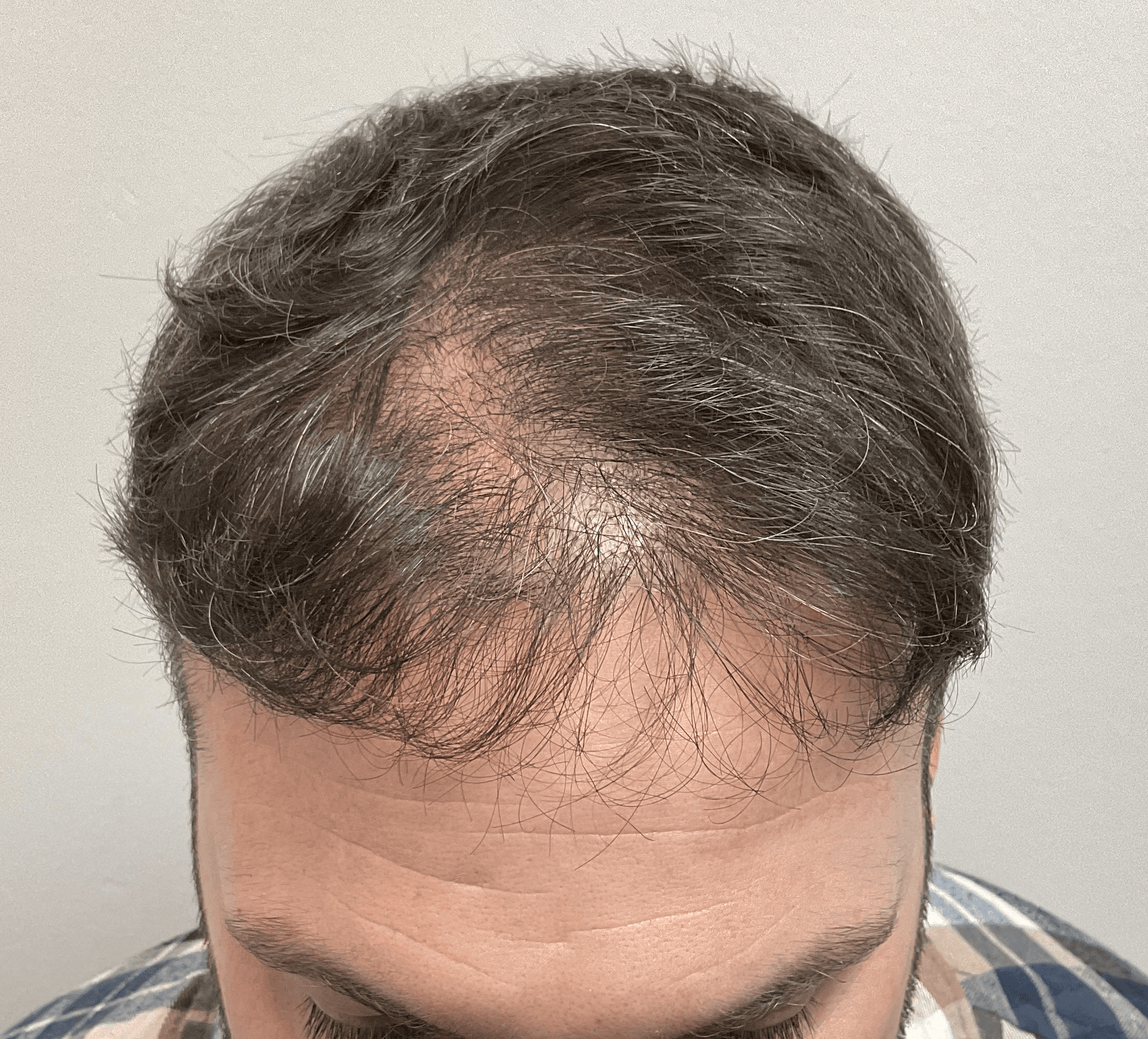
Anton's FUE Hair Transplant
 Performed By Dr. Raja
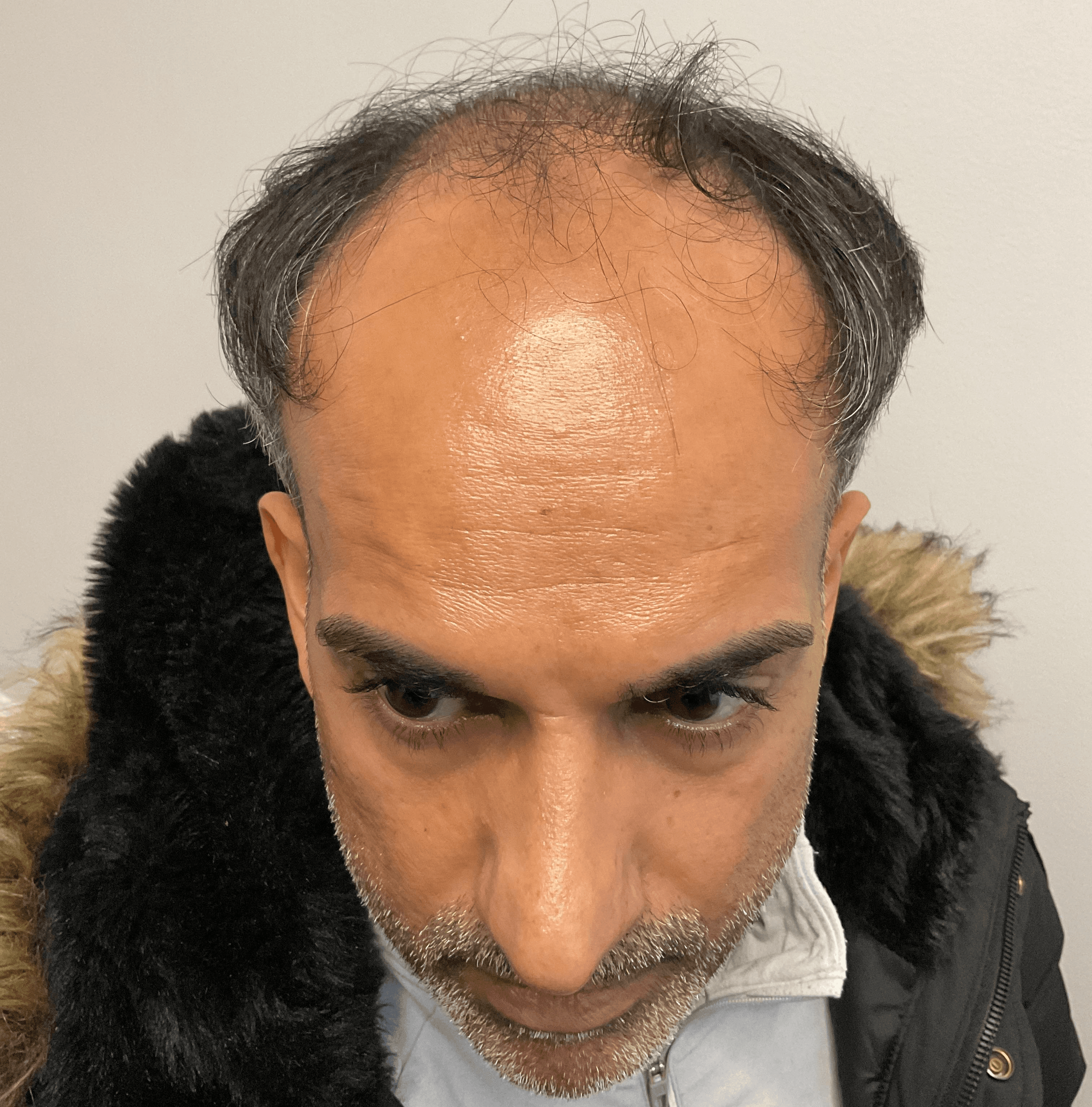
Aman's FUE Hair Transplant
Performed By Dr. Raja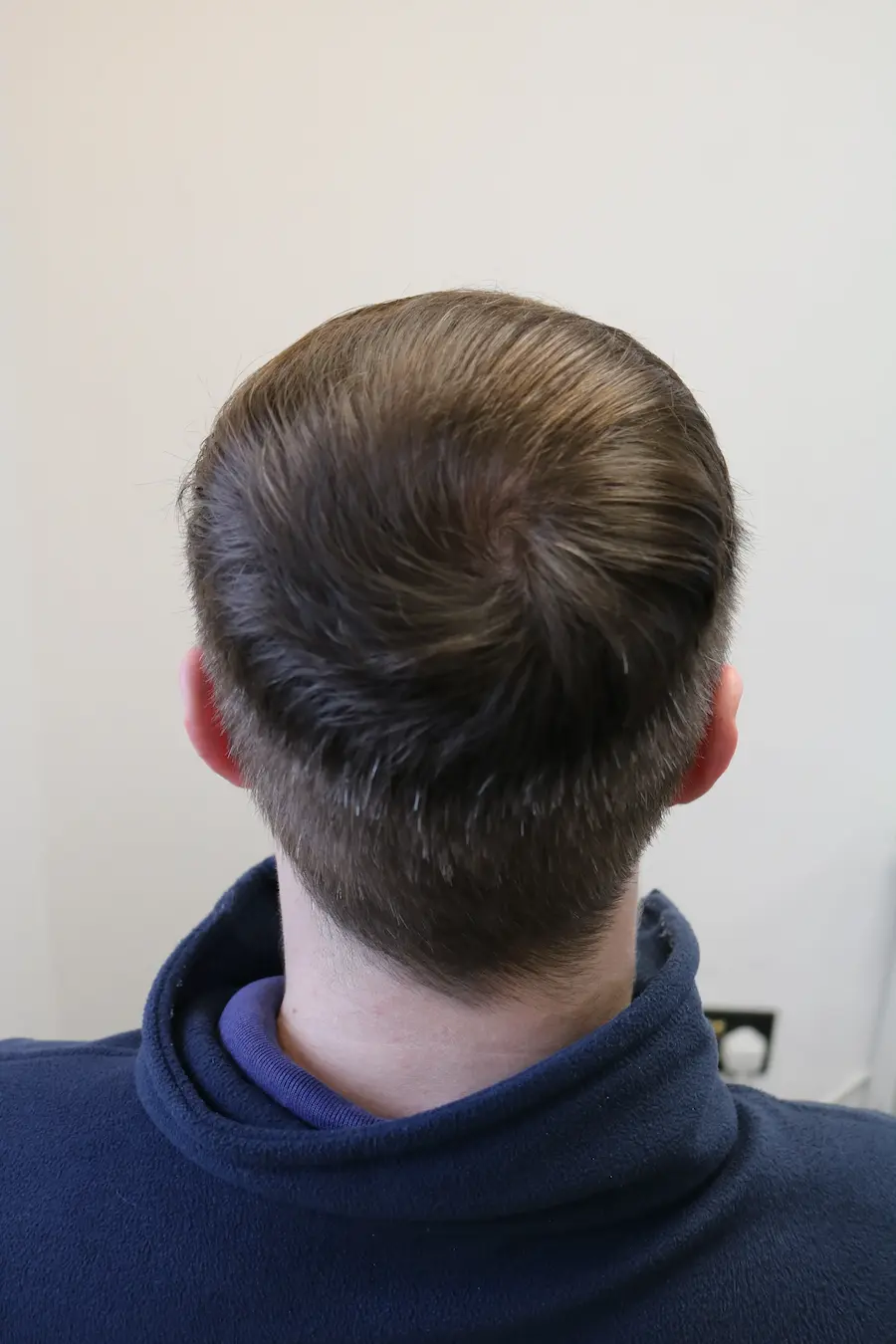
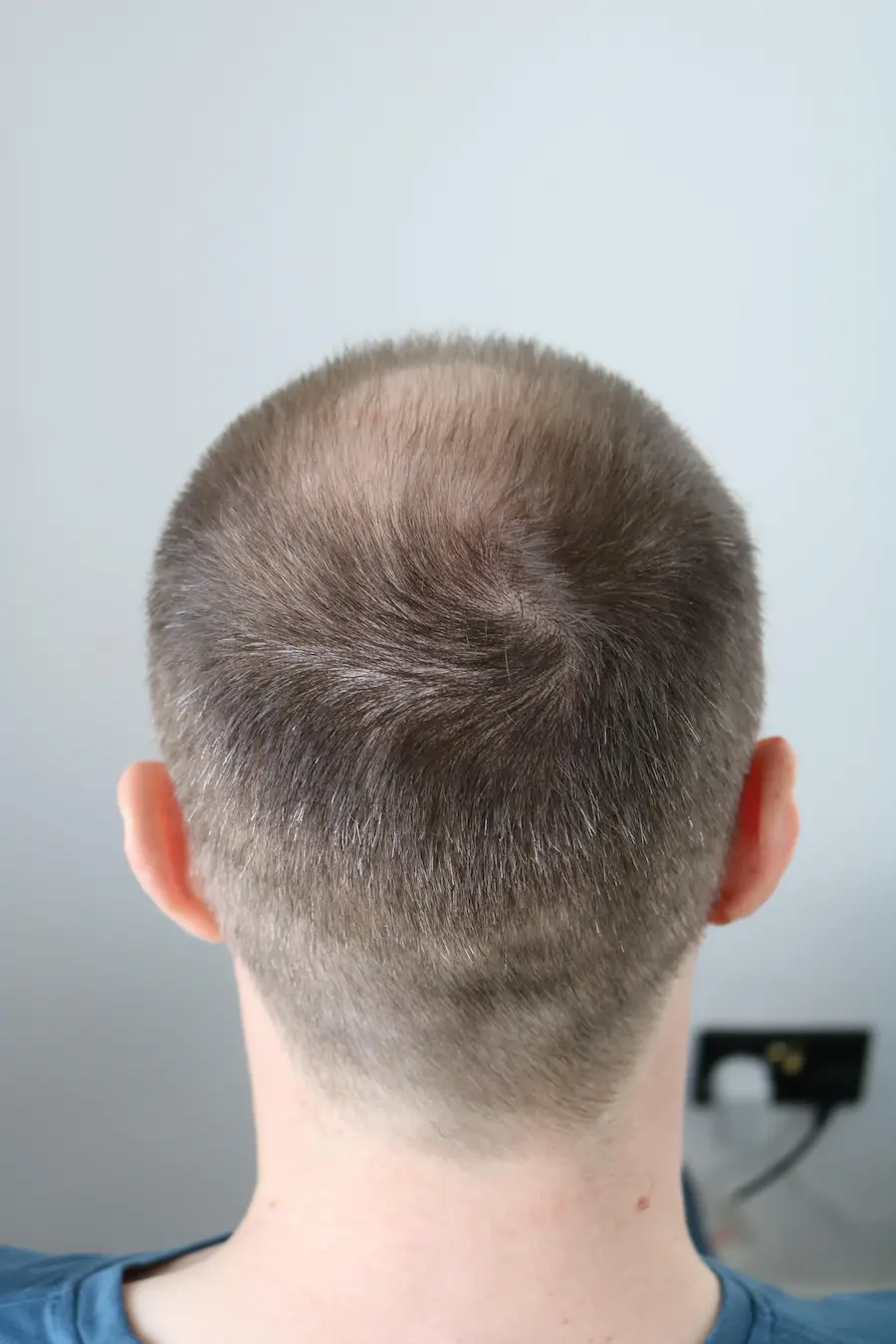
David's FUE Crown Transplant
Performed By Dr. Raja

David's FUE Hair Transplant
Performed By Dr. Raja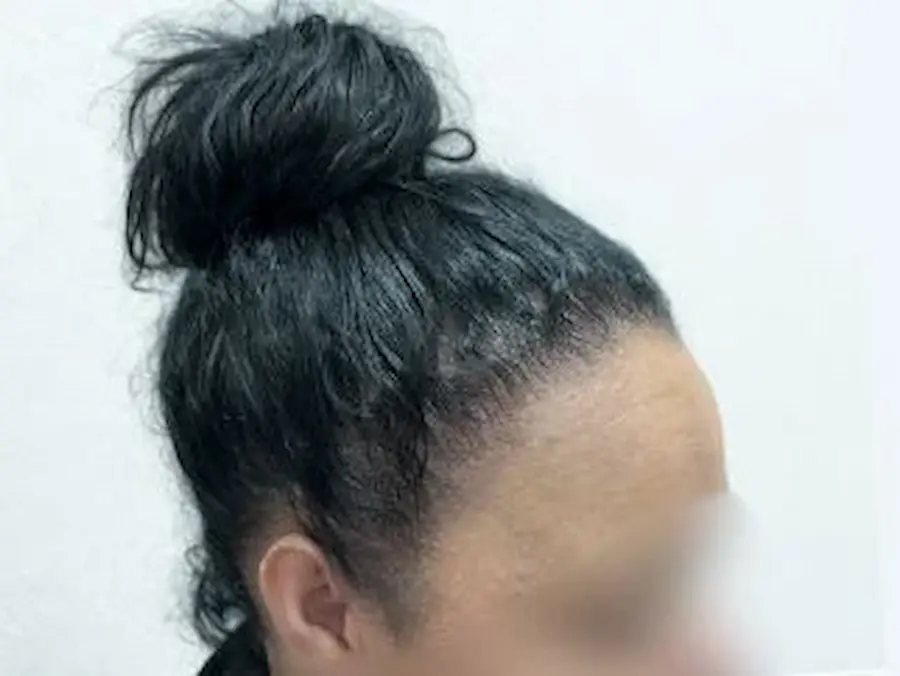

Female FUT Hair Transplant
Performed By Dr. Raja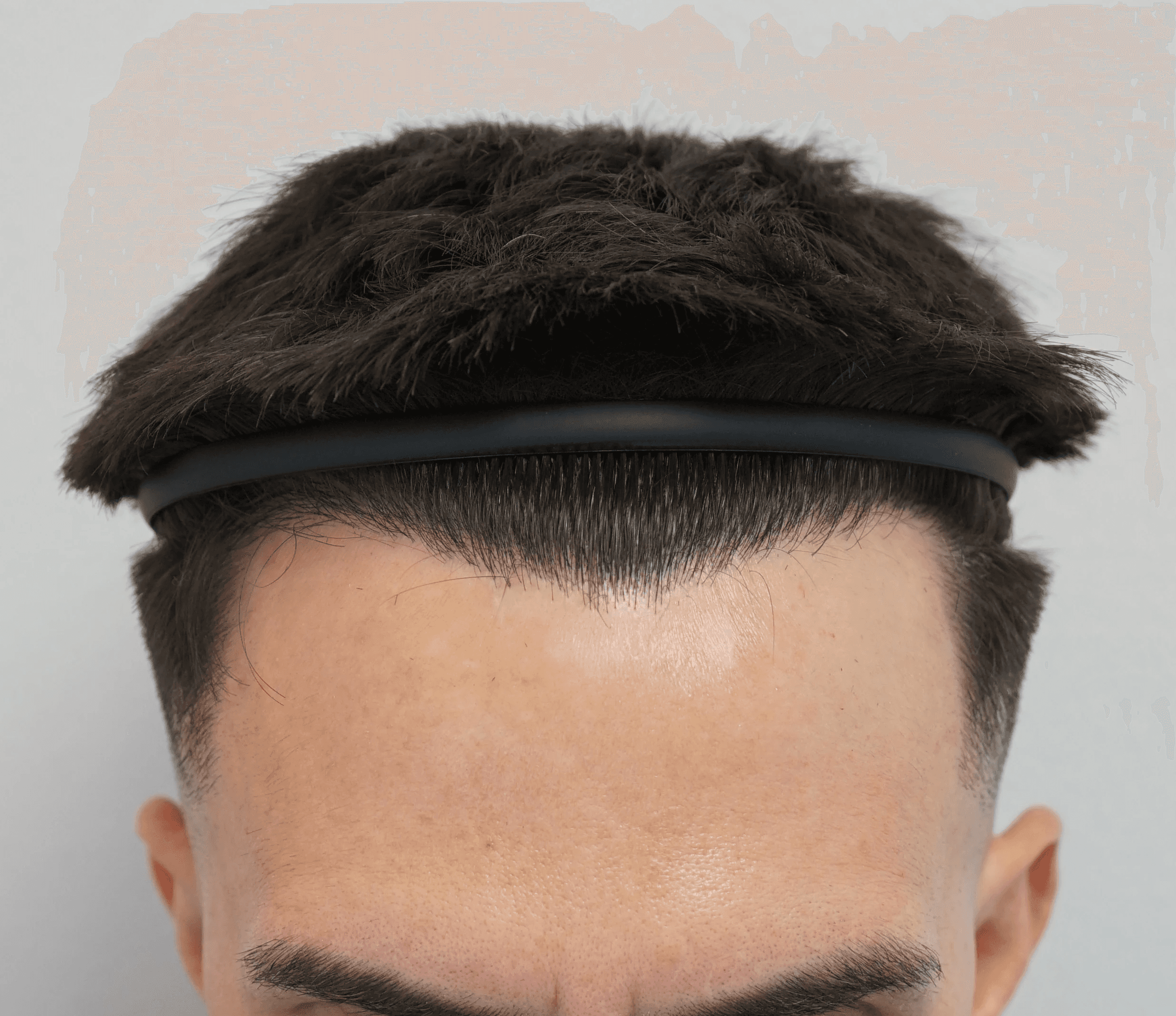

Thomas's FUE Hair Transplant
Performed By Dr. Raja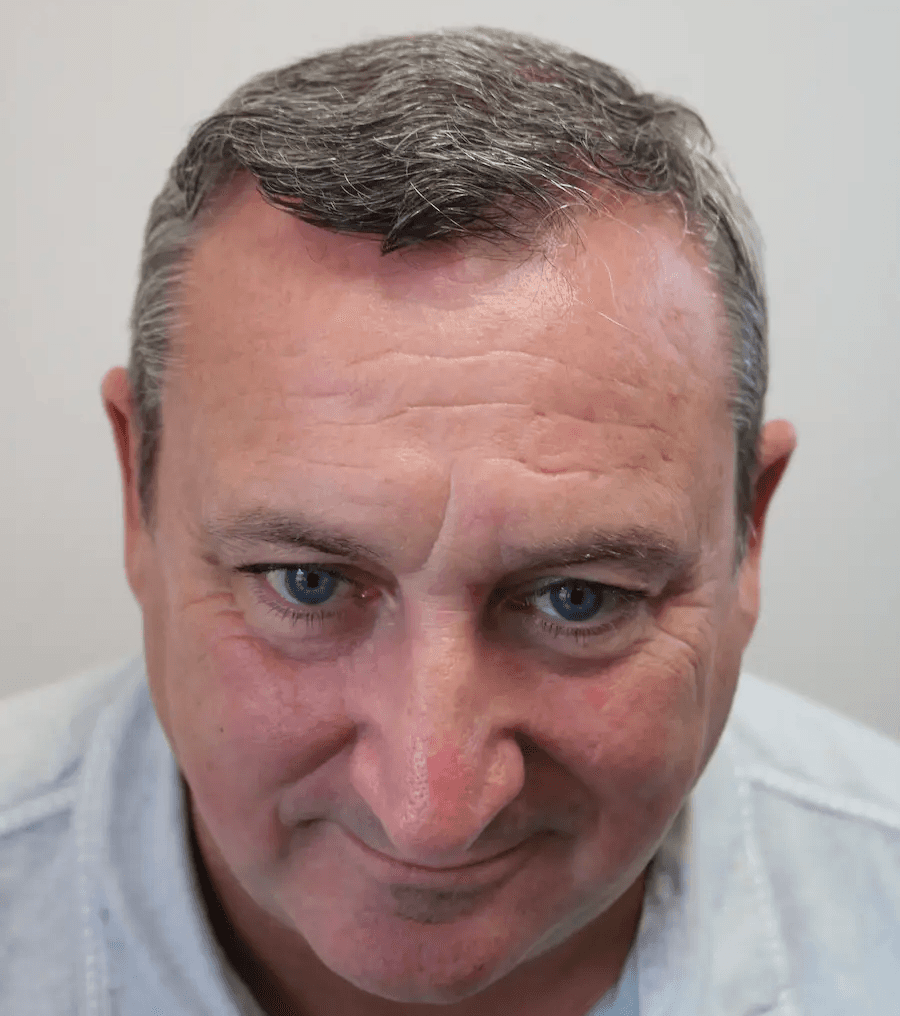
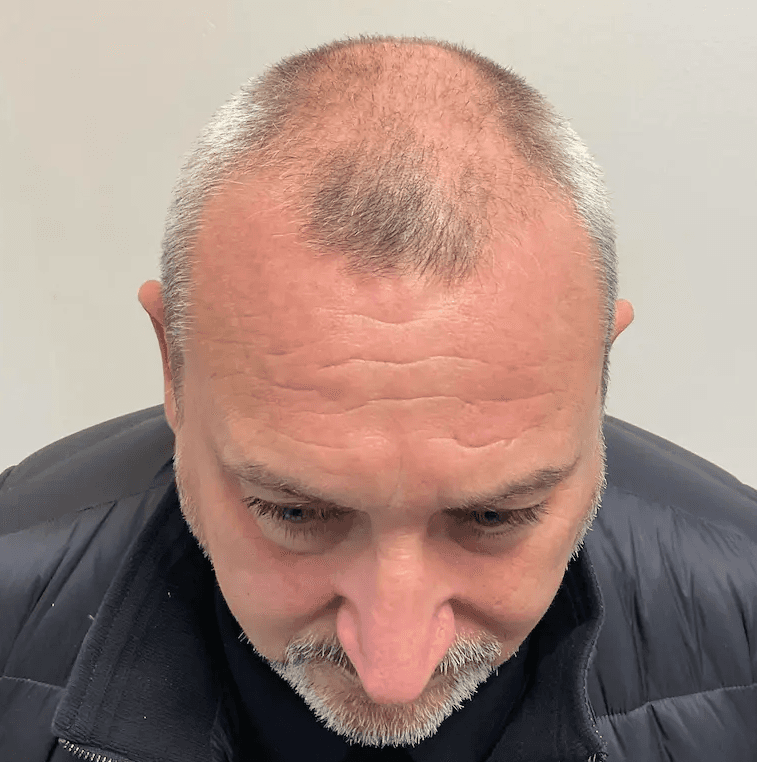
Peter's FUE Hair Transplant
Performed By Dr. RajaWhat Is Dutasteride
Dutasteride is an advanced prescription medication used in hair restoration medicine to combat progressive hair loss and male pattern baldness. Similar to Finasteride, it works by reducing levels of dihydrotestosterone (DHT), the hormone most closely associated with follicular miniaturisation and androgenetic alopecia. However, Dutasteride blocks a broader range of DHT-producing enzymes, making it a powerful option for suitable patients.
Administered as a once-daily capsule, Dutasteride is often considered for individuals experiencing ongoing hair thinning despite previous treatment or those seeking a more comprehensive medical approach to preserving hair density. It is frequently incorporated into long-term hair restoration programmes designed to maintain native hair and support future hair transplant outcomes.
How It Works
Dutasteride inhibits both Type I and Type II 5-alpha reductase enzymes, significantly reducing DHT levels throughout the scalp. By limiting the hormonal activity responsible for progressive follicular shrinkage, the medication helps create a more favourable environment for healthy hair growth and long-term follicle survival.
As DHT levels decline, vulnerable follicles can remain active for longer and continue producing stronger, thicker hairs. Over time, patients may experience reduced shedding, improved scalp coverage, increased hair calibre, and a slowing of overall hair loss progression. Visible improvements generally develop gradually over several months as the hair growth cycle naturally renews itself.
The Treatment Process
Every Dutasteride treatment plan begins with a detailed consultation to identify the cause of hair loss and assess treatment suitability. Dr Raja evaluates the pattern of thinning, family history, scalp characteristics, and previous hair restoration treatments before recommending an individualised medical strategy.
The medication is typically taken once daily and may be prescribed alongside Oral Minoxidil, PRP therapy, exosome treatment, or FUE hair transplant surgery. Regular follow-up appointments allow treatment response to be monitored and adjusted where necessary, helping patients achieve optimal hair preservation and long-term hair restoration results.
Ideal Candidates For Dutasteride
Dutasteride is generally most effective for patients with androgenetic alopecia who still have functioning hair follicles capable of producing hair growth. It is often considered when progressive hair loss requires a more comprehensive DHT management strategy.
Men experiencing moderate to advanced male pattern hair loss
Patients with significant crown thinning or diffuse scalp thinning
Individuals seeking to stabilise ongoing androgenetic alopecia
Hair transplant patients wishing to protect native hair surrounding transplanted grafts
Men looking for a long-term medical hair loss management solution
Clinical Note: Dutasteride may not be appropriate for every patient. A comprehensive consultation and medical assessment are essential before treatment is prescribed to ensure safety and suitability.
Safety & Side Effects
Dutasteride has been extensively studied and is widely used in clinical practice for conditions influenced by DHT. Within hair restoration medicine, it is often selected for patients requiring enhanced hormonal management to help slow hair loss progression and maximise hair retention.
Potential side effects may include changes in libido, erectile function, breast tenderness, mood changes, or other hormone-related effects. Most patients tolerate treatment well, and any concerns are carefully monitored throughout the treatment journey. Ongoing clinical reviews ensure the medication remains appropriate while supporting the patient's broader hair restoration and hair transplant goals.