Hair Transplant

Medically reviewed by Dr. Furqan Raja
Hair Transplant Surgeon

Before
After
A note from Dr. Raja, hair transplant surgeon
“FUT has come a long way. We are innovators in the technique and have spent years working to make the procedure more refined, allowing for a much smoother recovery than previously possible with shorter recovery time.”


Methods
FUT hair transplant
FUT (Follicular Unit Transplantation) involves removing a thin strip of hair-bearing tissue from the donor area, with individual grafts then implanted to restore hair density.
For suitable candidates, FUT offers a reliable approach to hair restoration where a higher number of grafts can be achieved in a single procedure. When carefully planned and performed, it provides natural-looking results with predictable coverage.
The Procedure
What is FUT Hair transplant?
Prep
Before the FUT procedure begins, the donor and recipient areas are carefully prepared. Local anaesthetic is administered to ensure comfort throughout treatment, allowing the donor strip to be removed and follicular grafts to be transplanted with minimal discomfort while you remain relaxed.

Extraction
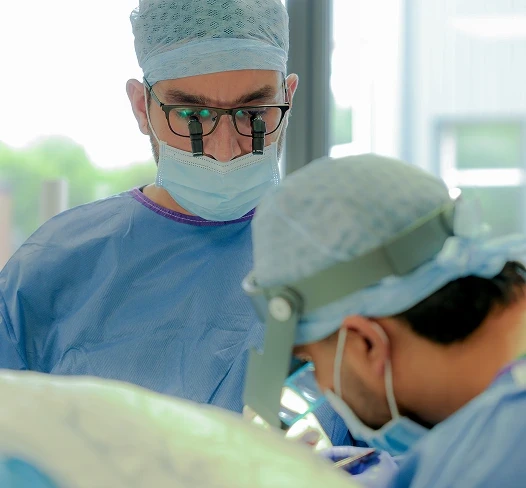
A narrow strip of hair-bearing tissue is removed from the donor area. Individual follicular units are then carefully separated under magnification to preserve graft quality.
Implantation
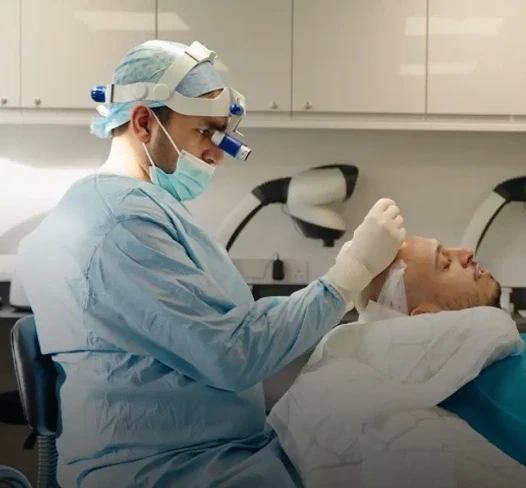
Prepared grafts are meticulously implanted into thinning or balding areas, following natural hair direction and density to achieve a seamless result.
Aftercare
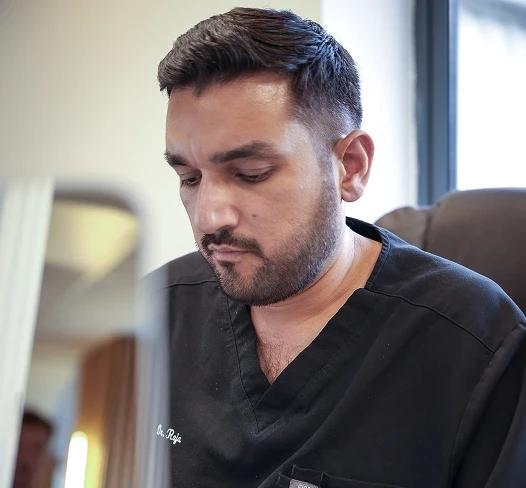
You’ll be provided with clear aftercare guidance and any prescribed medication, with your surgeon explaining each step to support healing and comfort in the days and weeks ahead. Initial recovery typically takes place over the first one to two weeks, with hair regrowth developing gradually over the following months as results continue to mature.
Your Recovery, Carefully Supported
Following your FUT procedure, you’ll receive a personalised aftercare plan designed to support healing and optimise your hair restoration results. Detailed instructions and recommended treatments are provided to aid recovery, protect the donor and recipient areas, and ensure progress is carefully monitored throughout the weeks ahead.
Preventative medication to support healing and reduce infection risk
Scalp relief treatment where needed during recovery
Hair growth support such as Minoxidil to encourage regrowth
Follow-up care to monitor healing and results

Case Study




Suitability
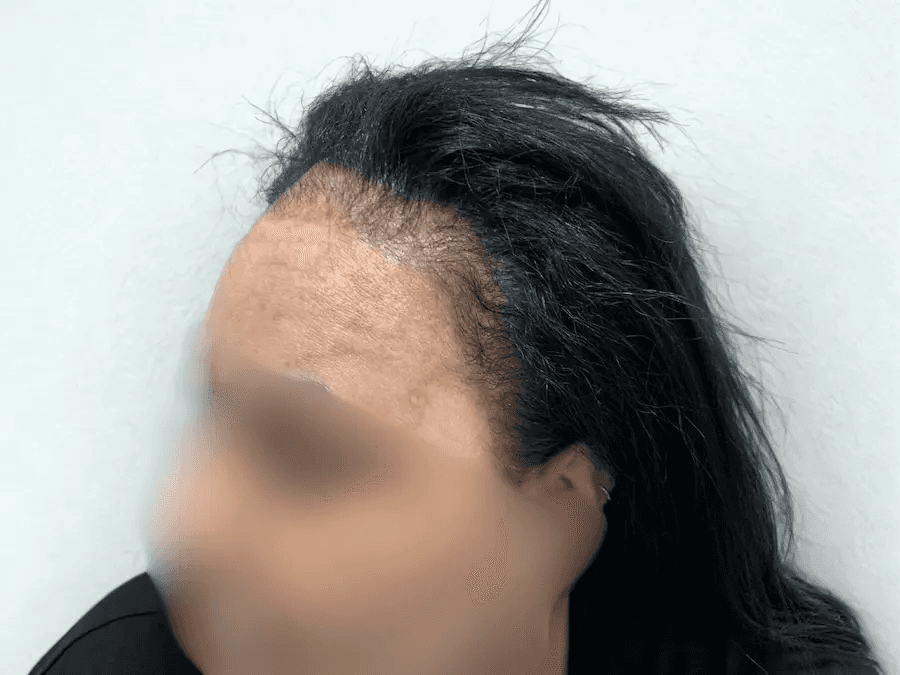
Suitability for an FUT hair transplant depends on your hair loss, donor area and individual goals. Complete our pre-assessment and upload your photos for a surgeon to personally review your case and advise on the most appropriate next steps.
FUT vs. FUE
FUT (Follicular Unit Transplantation) can be a very effective option for certain types of hair loss, but whether it is “better” depends on your individual case.
FUT is often recommended for patients who need a large number of grafts in a single session, as it can typically yield more grafts from the donor area compared to FUE. This makes it a strong choice for more advanced hair loss or when higher density is required.

FAQs
What is an FUT Hair Transplant?
Is FUT Better Than FUE?
Does FUT Leave a Scar?
How Long Does it Take to Recover From FUT Hair Transplant Surgery?
Are FUT Hair Transplants Results Permanent?